White-nosed Beans from Limnos
The Aspromytiko Bean of Lemnos is a unique product with a Protected Designation of Origin (PDO), cultivated exclusively in Lemnos and distinguished for its special taste and high nutritional value.
It is an authentic agricultural treasure with deep roots in the island's agricultural and cultural heritage. In modern times, the importance of local varieties, such as the Aspromytiko bean, is linked to the preservation of biodiversity, the promotion of sustainable agriculture and the strengthening of the local economy.
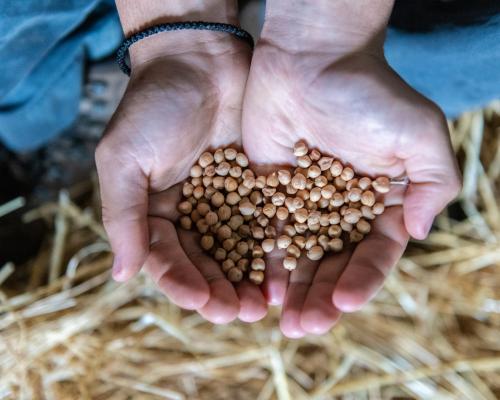
The Aspromytiko bean is a local, endemic variety of Vigna unguiculata found exclusively in Lemnos. It is characterized by its small size (approximately 6mm), distinctive white appearance with the black 'aspromytiko' detail, and special organoleptic profile, with soft texture, distinctive taste and earthy character. It is rich in proteins, carbohydrates, dietary fiber and phenolic acids, while it stands out for its exceptional digestibility. Its cultivation and production is done almost exclusively with manual methods, which gives it an artisanal character and classifies it among premium products. In 2018 it won a silver medal at the Olymp Awards for its taste and quality.
The cultivation of Aspromytiko is strictly limited to Lemnos, where the special soil and climate conditions shape its identity. The island has an ideal terroir, with a mild dry climate, sandy clay soils and limited rainfall. It is cultivated mainly in dry and semi-mountainous fields, which contribute decisively to the unique characteristics of the product. The areas with the largest production include Atsiki, Repanidi and Varos, while the total cultivated area today is estimated at approximately 3,000 stremmata.
Sowing takes place in early May and the cultivation requires special care. Traditionally, cultivation is done with limited water use and natural care methods, while cultivators follow practices that have been preserved unchanged for generations. Almost all tasks, such as harvesting, cleaning and sorting, are done manually. The traditional preservation method included light roasting, which protected the seeds from insects. In the last ten years there has been a significant revival of cultivation, with approximately 3,000 stremmata being cultivated today. The implementation of Contract Farming with more than 15 local producers has created a stable development framework and ensures standardized quality.
Contains phenolic acids (coumaric, ferulic) and at least 17 amino acids
Scientific studies by the Agricultural University of Athens show a lower glycemic response compared to black-eyed beans, making it a functional food with benefits for blood sugar management and healthy nutrition. It also has significant antioxidant and phenolic content.
Scientific studies by the Agricultural University of Athens show a lower glycemic response compared to black-eyed beans, making it a functional food with benefits for blood sugar management and healthy nutrition. It also has significant antioxidant and phenolic content.
There are no specific by-products associated with the cultivation or processing of Aspromytiko. However, the product is consumed both as dried and fresh seeds, offering flexibility in its use.
The cultivation of Aspromytiko contributes to the creation of added value and the strengthening of the local agricultural economy. Through the contract farming system, small producers are empowered, their income is increased and the retention of the rural population in their place is reinforced. At the same time, the product contributes to the preservation of traditional agriculture, the protection of the cultural landscape of Lemnos and offers opportunities for integration into gastronomic tourism through events and agrotourism experiences.
The Lemnos bean has been mentioned since ancient times in historical texts, such as those of Theophrastus, which underlines its timelessness. It has always been a staple of the diet of the island's inhabitants, while its cultivation is closely linked to local tradition. In the 20th century, the Salamousas family was the central commercial operator of the product, which was exported to the markets of the Aegean and Northern Greece. Today, its production is at the center of attention with increasing demand and exports.
The traditional technique of preservation by baking is part of the island’s agricultural heritage. Local festivals and cultural events are held in Lemnos to celebrate the harvest, where visitors can try traditional recipes based on the bean and learn about local traditions. At the same time, the product is associated with festivals such as the “Feasts of the Limnian Land” and the “Eating… Local” festival, strengthening its connection with the modern cultural identity of Lemnos.
The Aspromytiko bean of Lemnos has a dual gastronomic identity, being utilized in both traditional and modern cuisine. Its mild, earthy taste and delicate texture make it ideal for salads, soups, ladera (olive oil-based dishes) and gourmet dishes. Traditional recipes include Lemnos fasolada, where traditional cooking honors the taste and history of the product. In modern cuisine, examples include:
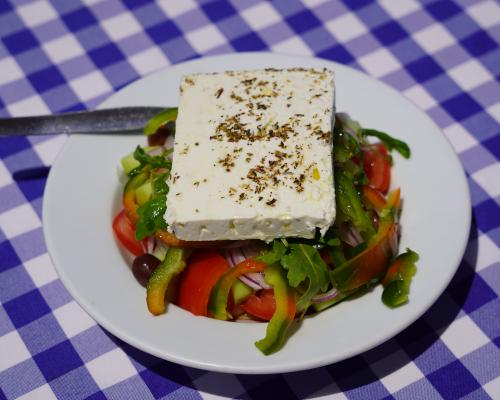
- Fresh salad with aspromytiko bean and orange, capers, olives and fresh onion, with partial mashing of the beans for double texture.
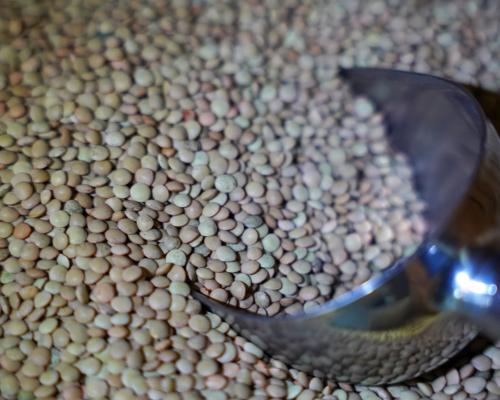
- Aspromytiko bean with Beluga lentils and spring onion, a combination of colors, textures and intense aromas, suitable for gourmet dishes.
- Aspromytiko bean with wild greens, onion, dill and tomato, which incorporates the legumes with the ladera of Greek tradition, maintaining its own buttery texture and the taste of the greens.

The quality and uniqueness of the Aspromytiko bean of Lemnos have been recognized internationally. At the Taste Olymp Awards 2018 competition, held in Athens, the product won the silver medal in taste, confirming its excellent organoleptic characteristics. As the committee stated:
This award is a recognition of the uniqueness and quality of this local product.